Source Drop Shoulder 3d Printed T Shirt for Promos, Events, and Retail
Compare 30 drop shoulder 3d printed t shirt options from China. Find woven and knitted styles in polyester or cotton blends. Customize logos and colors for promotional campaigns, casual wear, and advertising needs; compare the available evidence and request quotations based on your requirements.
Key considerations
Products List






Comprehensive Sourcing Guide
Drop Shoulder 3D Printed T Shirt Sourcing Guide
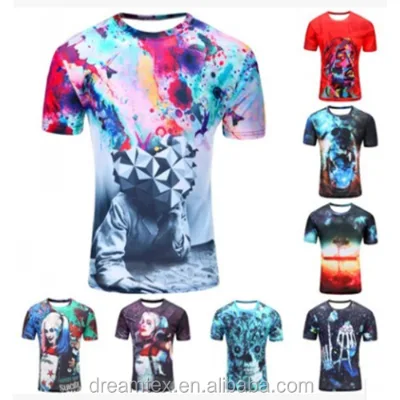
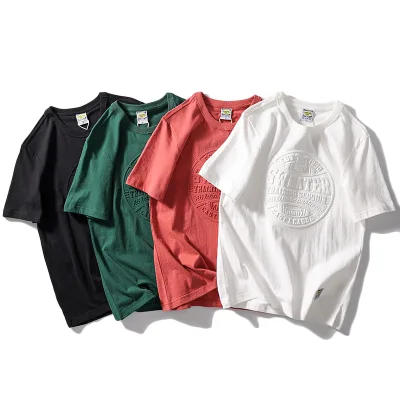
The drop shoulder 3D printed t shirt represents a specific niche within promotional apparel, combining relaxed silhouettes with high-impact visual customization. Based on observed market data, these garments frequently utilize polyester or cotton blends to ensure durability during the printing process. Buyers should note that while the core keyword implies a specific cut, the actual listings often feature standard round necks or O-necks with short sleeves, suggesting the "drop shoulder" descriptor may refer to a specific style variation rather than a universal attribute across all suppliers.
Procurement teams must verify that the "3D printed" claim aligns with the actual production capabilities listed, such as digital printing or standard screen printing methods. The observed product attributes indicate a strong focus on promotional and advertising features, with customization available for logos via print or embroidery. Sourcing strategies should prioritize suppliers who explicitly list fabric types like jersey or polyester-spandex blends, as these materials are essential for achieving the desired drape and print quality associated with this style.
Product Scope and Observed Listing Signals
Current market listings reveal a diverse range of material compositions, including pure polyester, cotton, and cotton-spandex blends, which directly influence the final garment's performance. The observed data shows that while some products are marketed with mixed colors, others are available in single colors, requiring buyers to clarify their specific colorway needs before ordering. The weight of the fabric varies significantly, ranging from 110GSM to 250GSM, meaning a single search term can yield everything from lightweight summer wear to heavier, more structured promotional items.
Buyers must carefully distinguish between different pattern types, as the search term often aggregates plain, striped, and printed designs under one umbrella. The observed listings confirm that customization is a primary feature, with many suppliers offering sample quantities as low as two pieces to facilitate design validation. However, the minimum order quantities (MOQ) vary drastically, from as few as two units to 3000 pieces, necessitating a clear definition of volume requirements to avoid being quoted for bulk pricing when only a small trial run is needed.
Technical Specifications to Verify
When evaluating technical specifications, the construction method is a critical differentiator between woven and knitted fabrics, with knitted jersey being the most common for this style. The observed data highlights that fabric types such as polyester-spandex or cotton are standard, but the specific GSM weight must be confirmed to ensure the garment meets the intended use case. Buyers should verify that the listed fabric type matches the desired breathability and moisture absorption properties, as these are frequently cited features in promotional contexts.
Packaging and dimensional standards also require strict verification to prevent logistical issues upon delivery. While some listings specify a standard packing of one piece per OPP bag, others indicate custom carton packing or specific box dimensions like 26x16x5 cm. It is essential to confirm the exact product standard dimensions, as observed ranges vary from 25x10x10 cm to 35x45x5 cm. Ensuring the packaging aligns with your shipping constraints and retail display requirements is a vital step before finalizing any purchase agreement.
Compliance and Safety Documentation
Although specific certification data like BSCI or ISO 90001 appears in background notes, buyers should not assume these are present without explicit verification from the supplier. The primary safety documentation to request involves material safety data sheets and compliance with textile regulations for the target market, particularly regarding chemical usage in printing and dyeing processes. Since the products are often intended for promotional use, ensuring the inks and dyes used for the 3D printing or embroidery are non-toxic and safe for skin contact is a fundamental requirement.
Buyers must also verify that the supplier can provide evidence of adherence to relevant labor standards, especially given the product origin is listed as China. While the observed data does not confirm specific audit results, the presence of promotional features suggests these items may be distributed widely, increasing the need for supply chain transparency. Requesting a declaration of conformity for the specific batch of goods ensures that the materials used meet the safety expectations of your end consumers and do not pose health risks.
Cost Drivers and Commercial Terms
The cost of drop shoulder 3D printed t shirts is heavily influenced by the chosen material, with polyester-spandex blends often commanding different price points than pure cotton. The observed price range of 1.5 to 12 USD reflects this variability, driven by factors such as fabric weight, GSM, and the complexity of the printing method. Buyers should anticipate that higher GSM fabrics and more intricate digital printing designs will push costs toward the upper end of this spectrum, while basic plain designs on lighter fabrics will remain closer to the lower limit.
Commercial terms regarding payment and sampling are equally critical for managing cash flow and risk. The observed data indicates that sample costs can be free, with sample lead times typically ranging from 7 to 10 working days, which is advantageous for rapid prototyping. However, payment terms are often listed as "discuss," requiring negotiation to secure favorable conditions. Understanding the MOQ structure, which can range from 500 pieces to 3000, is essential for calculating the total landed cost and determining the economic viability of the order.
Supplier Qualification and Quality Control
Supplier qualification should focus on their ability to handle the specific customization requirements, such as logo printing or embroidery, which are frequently listed as available options. The observed data shows that some suppliers offer customized packing, indicating a level of flexibility that is valuable for branding. Buyers should assess the supplier's capacity to maintain consistency in color and pattern, as the listings show a mix of solid, striped, and printed designs that require precise quality control to avoid defects.
Quality control protocols must be established to verify that the final product matches the approved sample, particularly regarding the fit and the durability of the print. The observed specifications include various sizes, from XL to "both codes," suggesting that size consistency is a potential area of risk. Implementing a pre-shipment inspection that checks for fabric defects, print alignment, and packaging accuracy is necessary to ensure that the promotional items meet the high standards expected for advertising campaigns.
Long-Term Procurement Checks
Establishing a long-term relationship with a supplier requires consistent monitoring of lead times and production capacity to ensure reliability during peak promotional seasons. The observed sample lead time of 7 to 10 working days provides a baseline, but bulk production times may vary significantly depending on the order volume and material availability. Buyers should maintain open communication channels to track production progress and address any potential delays before they impact the launch of their marketing campaigns.
Continuous evaluation of product quality and supplier responsiveness is essential for maintaining a stable supply chain. As the market for promotional apparel evolves, suppliers may introduce new fabric technologies or printing methods that could enhance the value of the drop shoulder t-shirt. Regularly reviewing the supplier's ability to adapt to these changes and their commitment to maintaining the observed standards, such as specific packing dimensions and material compositions, will help secure a competitive advantage in the long term.
FAQs
Can I get custom designs on these t-shirts?
Yes, customization is available for these promotional t-shirts. You can choose from print or embroidery methods to add your logo. The fabric options include polyester or cotton blends, allowing for versatile designs suitable for summer seasons and various advertising campaigns.
What are the available material options for these shirts?
The products come in polyester, cotton, or cotton and spandex blends. Some models feature jersey fabric with specific GSM weights ranging from 110 to 250. These materials ensure breathability and comfort, making them ideal for casual wear and promotional events during the summer season.
How much is the minimum order quantity for these items?
The minimum order quantity varies significantly depending on the specific product model. Some listings start as low as two pieces, while others require 500 pieces. You should check the specific item details to confirm the exact MOQ before placing your bulk order for customization.
What are the standard packaging methods for these t-shirts?
Packaging typically involves one piece per OPP bag or PE bag, often placed inside a carton. Some specific models use customized packing solutions. The standard dimensions for packaging vary, with common sizes around 25x10x10 cm or 35x45x5 cm depending on the product type.
Can I get samples before placing a large order?
Yes, sample orders are supported with a lead time of seven to ten working days. You can request two pieces as samples, and the cost for these samples is often free. This allows you to verify the quality and fit before committing to a larger purchase volume.
What collar styles are available for these t-shirts?
The available collar styles include round neck and O-neck designs. These styles are common across the woven and knitted t-shirt options listed. They provide a casual look suitable for promotional use and are compatible with various printing methods like digital printing or embroidery.
Where are these t-shirts manufactured and shipped from?
All listed products originate from China. The sourcing process involves identifying suppliers located in this region who can meet your specific customization and delivery requirements. This origin ensures access to a wide range of materials and production capabilities for your promotional needs.